
Developing Next-Generation Leaders
Identifying and Developing Future Leaders
Challenges in Developing Next-Generation Leaders
As organizations place greater importance on human capital management, developing next-generation leaders has become a critical priority for HR. Many organizations select high performers based on current results without a clear view of the leader profile they are developing toward or the conditions needed to support that growth. At the core of this challenge is a lack of clarity around what kind of leaders the organization needs and how those leaders should be developed over time.
Key
Issues
- Leadership requirements are not clearly defined or shared
- Development targets do not align with leadership appointments
- Development programs do not lead to change or visible growth
- Limited executive commitment delays long-term development
Next-Generation Leader Development Essentials
Developing next-generation leaders means building a talent pool of future leader candidates across different levels and roles. It differs from succession planning, which focuses on successors for specific posts, but the two are closely connected because succession candidates are often selected from the same talent pool. Succession planning defines requirements for each target position, while next-generation leader development defines the leader profile, requirements, and talent pool the organization is building toward. Without this clarity, development can become general training for high performers rather than a process for building future leaders.
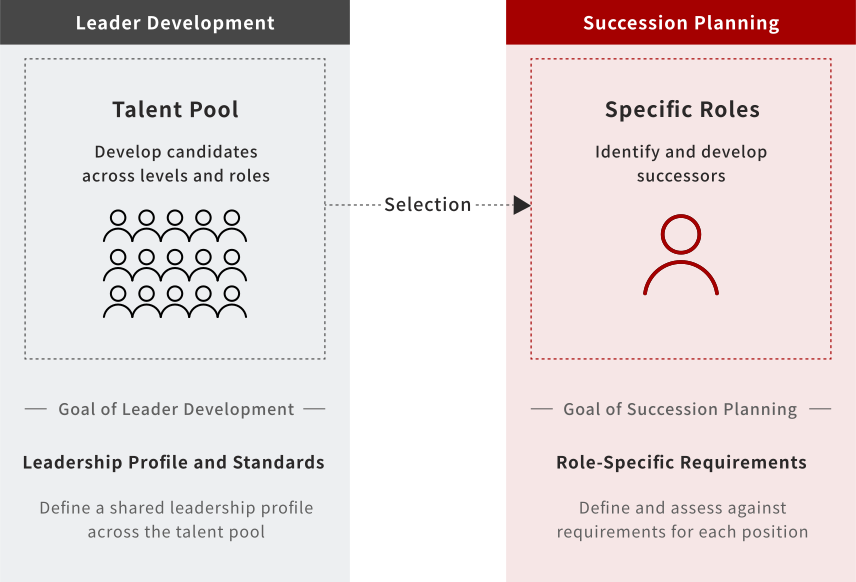
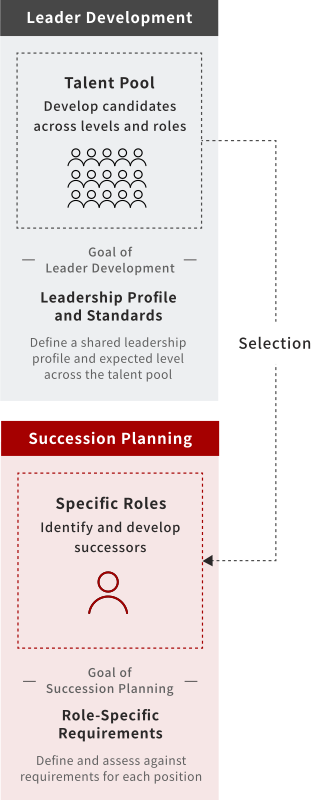
Five Factors that Shape the Success of Next-Generation Leader Development
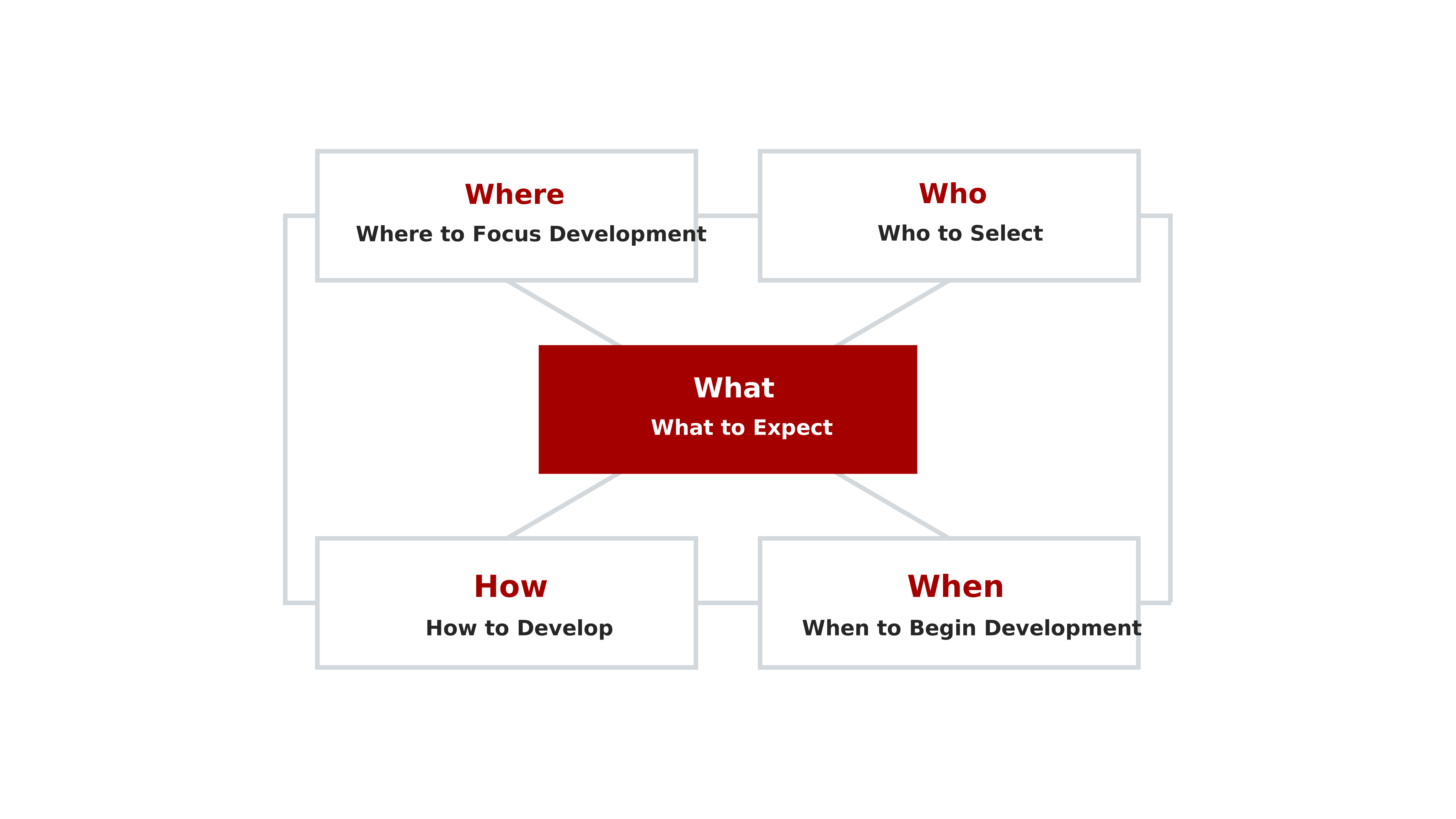
What
Where
How
Who
When
Benefits of Using Assessment in Next-Generation Leader Development
When developing next-generation leaders, assessment helps clarify where each candidate stands against the leader profile the organization is building toward. It provides useful insight for individual growth, talent pool decisions, and succession planning. The key is to choose assessment methods based on the requirements that matter most.
1
Understanding
the Starting Point
2
Making Talent Pool
Decisions
3
Supporting Succession and
Promotion Decisions
Designing and Implementing Next-Generation Leader Development Programs
After defining the leader profile, requirements, key development themes, and talent pool, organizations can move into concrete development programs. At Lead Create, we provide the following support in developing next-generation leaders:
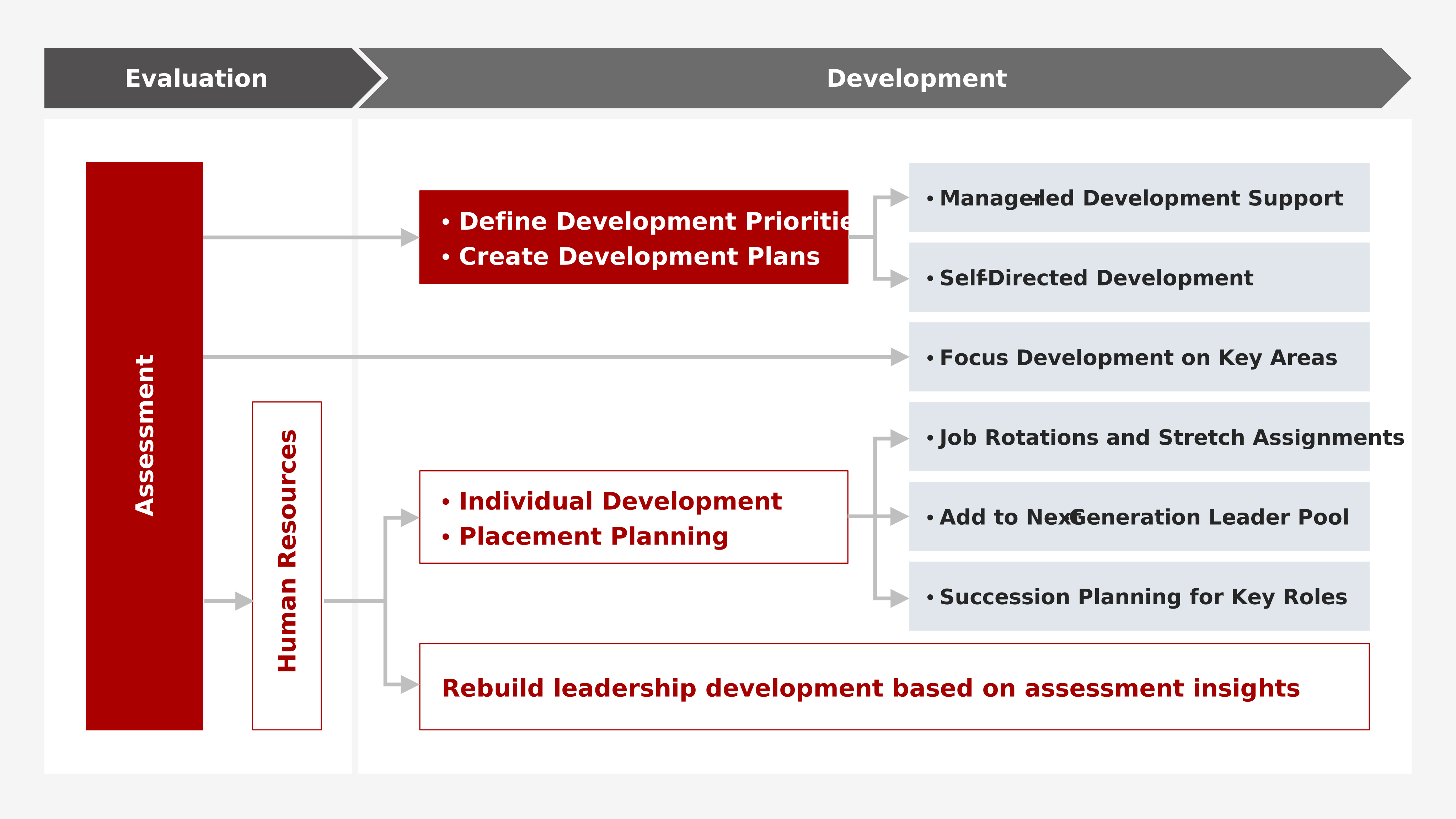
1. Assessment
2. Leadership Development Training for Supervisors
3. Development Programs for Priority Themes
4. Information Support for HR
Frequently Asked Questions
-
Q.
Does current performance indicate future leadership potential?
-
A.
Candidates should be selected based on future leadership potential, not current performance alone. Supervisor recommendations can be useful, but they should be grounded in clear criteria and observed behaviors.
-
Q.
Should candidates be told that they have been selected?
-
A.
Selection should be communicated as a growth opportunity, not as a promise of promotion or appointment. Candidates should understand why they were selected, what is expected of them, and how to make full use of the opportunity.
-
Q.
Are there effective development methods beyond training?
-
A.
Development is strengthened through challenging assignments, stretch experiences, and the support needed to learn from them. Work that requires a higher level of performance or involves unfamiliar responsibilities can also create meaningful learning opportunities.
-
Q.
How can candidates be supported when supervisor support is limited?
-
A.
Next-generation leader development requires feedback, advice, and ongoing support. Supervisors often play this role, but supervisor training, mentor support, or external coaching may be needed when that support is difficult to provide.
-
Q.
Why is executive involvement important in developing next-generation leaders?
-
A.
Executive involvement is essential for creating assignments, placements, and opportunities beyond a single department. It also helps connect development to succession planning and future leadership needs.
